

EV Charger Installation Guide for Massachusetts Homeowners in 2026
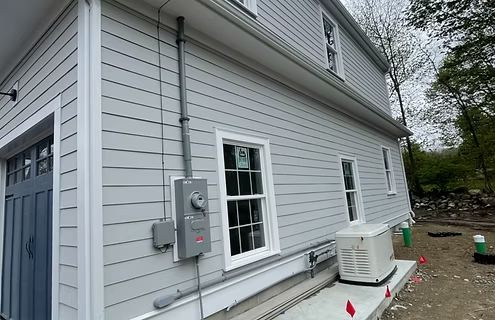
EV Charger Installation Basics
For Massachusetts homeowners, EV Charger Installation is becoming a practical part of preparing a home for electric vehicle ownership. A home charger can make daily charging more convenient because the vehicle can charge while parked overnight or during other periods when it is not being used. The right setup depends on the vehicle, charger type, electrical panel, available power, parking location, and wiring route. For homeowners in Blackstone and nearby communities, planning the electrical side before purchasing equipment helps create a safe and reliable charging setup.
Why Home EV Charging Matters
Public charging stations can be useful when traveling, but home charging gives EV owners another option for their normal routine. Instead of making a separate trip to a charging station, a homeowner can plug in after returning home. The charging speed depends on the vehicle and charger, but a properly installed Level 2 charger can provide substantially more charging capacity than a standard household outlet. This makes EV Charger Installation worth considering for homeowners who drive regularly and have suitable electrical capacity.
Choosing the Right Charger
The first step is identifying the charger that matches the vehicle. Level 1 charging generally uses a standard household outlet and works for drivers with lower daily mileage or longer charging periods. Level 2 equipment requires a dedicated electrical circuit and is commonly selected for residential installations because it can provide faster charging.
The charger should also match the vehicle’s charging capabilities. Buying a unit with a higher output does not automatically mean the vehicle will charge at that rate. A qualified electrician can review the vehicle requirements, charger specifications, and home’s electrical system before installation.
Check the Electrical Panel
The electrical panel is one of the first things to evaluate before EV Charger Installation. A charger adds another continuous electrical load to the home, so the existing panel and service need to be considered. Older panels, limited service capacity, or heavily loaded circuits may require electrical work before a charger can be added.
Ryan Cassidy Electrician can evaluate the existing electrical system and determine what is needed for the proposed charging equipment. This assessment can help identify panel capacity, circuit requirements, wiring needs, and the most practical installation location.
EV Charger Installation in Douglas MA
Homeowners researching ev charger installation douglas ma should consider more than simply mounting the charger on a wall. The distance between the electrical panel and parking area can affect the wiring route, installation requirements, and overall project scope. Outdoor installations also require equipment and installation methods appropriate for the location.
A site evaluation can help determine where the charger should be placed and how the circuit can be routed safely. For Douglas homeowners, planning these details before installation can prevent unnecessary changes later.
EV Charger Installation in Norfolk MA
For EV charger installation Norfolk ma, homeowners should look at their current electrical usage along with the planned charger. Homes with electric heating, central air conditioning, electric ranges, heat pumps, or other high-demand equipment may already have substantial electrical loads.
The goal is to understand how the charger will fit into the home’s overall electrical system. A licensed electrician can review the panel and service, identify the appropriate circuit requirements, and explain what electrical work may be needed before the charger is installed.
EV Charger Installation in Blackstone MA
For homeowners considering ev charger installation blackstone ma, location and accessibility are important parts of the planning process. A charger may be installed inside a garage, on an exterior wall, or in another suitable location depending on the property layout and equipment requirements.
Blackstone homeowners should also consider where the vehicle normally parks. Keeping the charging cable within a practical reach can make daily use easier. Ryan Cassidy Electrician serves Blackstone, MA, and can assess the home’s electrical setup and proposed charger location before work begins.
EV Charger Installation in Foxborough MA
With ev charger installation foxborough ma, the electrical route can vary considerably from one home to another. Some properties have the electrical panel close to the garage, while others require a longer wiring path. The physical layout can affect installation time, materials, and the final placement of the charging equipment.
Homeowners should avoid selecting a charger location based only on convenience. The installation needs to account for electrical requirements, cable reach, protection from the elements when applicable, and safe access for the vehicle.
EV Charger Installation in Bellingham MA
Homeowners looking into ev charger installation bellingham ma should also consider future electrical needs. An EV charger may be one of several major electrical loads in a modern home. Planning the installation around current and expected electrical usage can help homeowners make informed decisions.
A proper assessment should consider the panel, service capacity, charger specifications, circuit requirements, wiring route, and installation location. This approach gives homeowners a clearer picture of what the project involves before equipment is installed.
Permits and Local Requirements
Electrical work involving an EV charger may be subject to Massachusetts electrical requirements and local permitting procedures. Requirements can vary based on the project and municipality. Homeowners should confirm the applicable requirements before work begins rather than assuming that every installation follows the same process.
A licensed electrician familiar with local electrical work can help identify the requirements associated with the installation. Proper permitting and inspection, when required, are part of maintaining a safe and code-compliant electrical system.
Indoor and Outdoor Charging
An EV charger does not always need to be installed inside a garage. Some homeowners park outside and may need an exterior charging location. Outdoor equipment must be suitable for its environment, and the installation should protect electrical components from conditions they are not designed to withstand.
The charger location should also provide enough room to connect the vehicle without creating a trip hazard or placing unnecessary strain on the charging cable. Good placement makes regular charging easier and keeps the charging area organized.
Avoid DIY Electrical Work
Installing a dedicated EV charging circuit is not the same as plugging in a household appliance. The work can involve the electrical panel, dedicated circuit, wiring, protective devices, grounding, and other requirements. Incorrect electrical work can create serious safety concerns.
Homeowners should have the electrical portion of the project handled by a licensed electrician. Ryan Cassidy Electrician can help homeowners understand their existing electrical capacity and the requirements for installing residential EV charging equipment.
Preparing for Future EV Needs
Electric vehicles and charging equipment continue to develop, so homeowners should think beyond the immediate installation. A charger that meets today’s needs may be sufficient for years, but electrical capacity and future vehicle changes can also be worth discussing during the planning stage.
The most useful approach is to select equipment based on the vehicle, home’s electrical system, driving habits, and available installation location rather than choosing a charger based solely on charging speed.
Why Choose Ryan Cassidy Electrician
Ryan Cassidy Electrician serves homeowners in Blackstone, MA, and surrounding Massachusetts communities with residential electrical services. For EV Charger Installation, the focus should be on understanding the home’s electrical system, selecting a suitable installation approach, and completing the work safely.
From evaluating the electrical panel to planning the circuit and charger location, each property has different requirements. A local electrician can provide practical guidance based on the home’s existing setup and the homeowner’s charging needs.
Contact Ryan Cassidy Electrician
Ready to add convenient home charging to your Massachusetts property? Ryan Cassidy Electrician can evaluate your electrical system and help plan a safe, practical EV Charger Installation for your home. Contact us today to discuss your charging needs and installation options.
Frequently Asked Questions:
Is EV Charger Installation Worth It at Home?
For homeowners who regularly drive an electric vehicle, home charging can provide convenient access to charging without relying entirely on public charging stations. The right charger depends on the vehicle and electrical system.
Does an EV Charger Need a Dedicated Circuit?
Many Level 2 residential chargers require a dedicated circuit. The exact electrical requirements depend on the charger specifications and the vehicle’s charging capabilities.
Can My Existing Electrical Panel Handle an EV Charger?
It depends on the panel’s capacity, existing electrical loads, service size, and the charger’s requirements. An electrician should evaluate the system before installation.
Can an EV Charger Be Installed Outside?
Yes, some chargers are designed for outdoor use. The equipment and installation must be appropriate for outdoor conditions, and the electrical setup should meet applicable requirements.
How Should I Prepare for EV Charger Installation?
Start by identifying the vehicle and charger requirements, then have the home’s electrical panel, service capacity, wiring route, and proposed charger location evaluated. This helps determine what the installation will require.