

Generator Installation Guide: How to Prepare Your Massachusetts Home for Power Outages
Prepare Before the Outage
A power outage can disrupt a Massachusetts home within minutes. Refrigerators stop running, heating systems may lose power, sump pumps can stop operating, and internet equipment may become unavailable. During winter storms, heavy snow, high winds, or utility failures, an outage can last long enough to affect both comfort and household safety.
Generator Installation gives homeowners a way to prepare before these situations occur. A properly installed standby generator can automatically supply electricity to selected circuits or a larger portion of the home when utility power fails. Ryan Cassidy Electrician helps homeowners evaluate their electrical needs and plan a generator system around the equipment that matters most.
Know Your Backup Needs
Before choosing a generator, homeowners should decide which electrical systems they want to keep operating during an outage. Some families may prioritize the refrigerator, heating system, sump pump, lighting, internet equipment, and a few essential outlets.
Other households may want backup power for most of the home. The amount of electricity required will influence the generator capacity, electrical connections, and overall installation requirements.
Starting with a list of essential loads gives an electrician useful information when evaluating the home and determining an appropriate generator configuration.
Choose the Right Generator
Generator capacity should be based on actual electrical demand rather than simply the size of the house. A unit that is too small may struggle when several large appliances operate at the same time. Selecting a much larger system than necessary can also add equipment and operating costs without providing a meaningful benefit.
During Generator Installation, an electrician can review the home’s electrical panel, service capacity, appliances, heating equipment, and other intended loads. This evaluation helps determine which generator size and configuration make sense for the property.
Understand Standby Systems
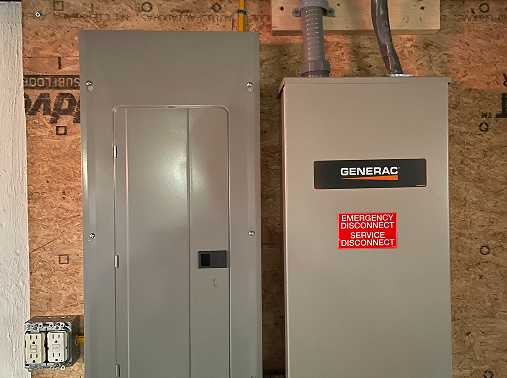
A standby generator is designed to remain connected and ready for an electrical outage. Unlike a portable generator that generally requires manual setup, a standby system can operate through an automatic transfer switch.
When utility power fails, the transfer equipment detects the interruption and signals the generator to start. The selected electrical loads are then supplied by generator power. When utility electricity returns, the system transfers the loads back and the generator shuts down according to its operating sequence.
This automatic operation can be especially useful when an outage occurs overnight or during severe weather.
Generator Installation Bellingham MA
Homeowners researching generator installation Bellingham MA should begin by considering the electrical loads they want to maintain during an outage. Every property has different requirements based on its electrical service, heating equipment, appliances, and household needs.
A generator should not be selected solely because it worked for another home. An electrical assessment provides a more reliable basis for determining generator capacity and installation requirements.
Check Your Electrical Panel
The generator is only one part of the backup power system. The home’s existing electrical panel and service also need to be evaluated before installation.
An electrician may check the panel’s condition, available breaker space, service capacity, wiring, grounding, and the loads that will receive generator power. If the existing electrical system has problems, those concerns should be addressed before connecting new equipment.
This assessment also helps homeowners understand whether additional electrical work is needed as part of the project.
Plan for Massachusetts Weather
Massachusetts homes can experience winter storms, freezing temperatures, strong winds, and heavy precipitation. These conditions can create situations where electricity is especially important for heating, refrigeration, lighting, communication, and water management.
A generator should therefore be positioned according to manufacturer requirements and applicable safety considerations. Proper clearance, ventilation, accessibility, and maintenance access should all be considered before selecting the final location.
Ryan Cassidy Electrician can help homeowners consider these factors when planning Generator Installation for a residential property.
Generator Installation Mendon MA
For homeowners considering generator installation Mendon MA, preparation can start with an evaluation of the home’s existing electrical system. The electrician can identify important circuits, review available electrical capacity, and discuss how much of the home should receive backup power.
This planning is particularly useful for homeowners who rely on electrically powered heating, sump pumps, refrigeration, home offices, or other equipment that should remain available during an outage.
Generator Installation Douglas MA
When researching generator installation Douglas MA, homeowners should also consider where the generator will be placed and how it will connect to the home’s electrical system. The installation location needs to provide suitable clearance and access while allowing the system to operate according to manufacturer requirements.
Fuel type is another consideration. Depending on the selected generator, the installation may involve natural gas or propane connections in addition to the electrical work.
Plan the Installation
A typical Generator Installation begins with an evaluation of the property and electrical system. The electrician reviews the service panel, desired backup circuits, generator location, and equipment requirements.
After the generator location is established, the equipment is installed on a suitable base or mounting surface. The automatic transfer switch and electrical connections are then installed as required by the system design.
Once the work is completed, the generator should be tested to verify that it starts correctly, transfers power properly, and operates as intended. Permit and inspection requirements should also be addressed according to the project and local regulations.
Avoid Common Mistakes
One common mistake is buying a generator before determining the home’s actual electrical requirements. The generator should be selected after identifying the circuits and equipment that need backup power.
Another mistake is overlooking maintenance. A generator may sit unused for long periods, but that does not mean it can be ignored. Batteries, fluids, filters, connections, and other components need appropriate attention.
Homeowners should also avoid attempting electrical connections without the required knowledge and qualifications. Incorrect wiring or improper transfer equipment can create serious electrical hazards.
Generator Installation Hopedale MA
Homeowners researching generator installation Hopedale MA should also think beyond the initial installation. A standby generator needs routine maintenance to remain ready for an unexpected outage.
Maintenance requirements vary by manufacturer and model but may include oil and filter service, battery checks, inspection of electrical connections, and operational testing. Following the manufacturer’s maintenance schedule can help identify issues before the generator is needed.
Why Choose Ryan Cassidy Electrician
Generator Installation involves more than placing a generator outside the home. The electrical panel, service capacity, transfer equipment, generator size, wiring, fuel source, and desired backup circuits all need to work together.
Ryan Cassidy Electrician begins by understanding the home’s electrical requirements and the homeowner’s priorities. This allows the generator system to be planned around the property rather than based on a generic installation approach.
The focus is on safe residential electrical work, proper connections, careful testing, and clear communication throughout the project.
Prepare for the Next Outage
Power outages are difficult to predict, but homeowners can prepare for how their property will respond when utility service is interrupted. A properly planned generator can keep essential systems operating and reduce the disruption caused by an unexpected outage.
From refrigeration and heating to lighting, sump pumps, internet equipment, and other household loads, backup power can provide valuable continuity when the electrical grid goes down.
If you’re considering Generator Installation for your Massachusetts home, Ryan Cassidy Electrician can evaluate your electrical system and help you determine what type of backup power setup fits your needs.
Contact Ryan Cassidy Electrician
Don’t wait until the next storm leaves your home without power. Contact us today to discuss Generator Installation, evaluate your home’s electrical requirements, and plan reliable backup power for your household.
Frequently Asked Questions:
How much does Generator Installation cost?
The cost depends on generator size, fuel type, installation location, transfer equipment, electrical work, and the condition of the existing electrical system. An on-site evaluation provides a more accurate estimate.
What size generator does my Massachusetts home need?
The appropriate generator size depends on the electrical loads you want to operate during an outage. An electrician can review appliances, heating equipment, lighting, sump pumps, and other selected circuits to determine the required capacity.
Does a standby generator turn on automatically?
Yes. A standby generator connected through an automatic transfer switch can detect a utility power interruption, start automatically, and transfer the selected electrical loads to generator power.
Can my existing electrical panel support a generator?
It depends on the panel’s condition, service capacity, available space, wiring, and the electrical loads that need backup power. An electrical assessment can determine whether the existing system is suitable.
How often should a standby generator be maintained?
Maintenance schedules vary according to the generator manufacturer and model. Routine service may include oil and filter changes, battery checks, connection inspections, and operational testing. Following the manufacturer’s recommended schedule helps keep the system ready for future outages.