

Interior Lighting Installation Ideas for Comfortable, Functional Homes
Lighting Sets the Mood
Good interior lighting does more than make a room brighter. It affects how comfortably you read, cook, work, relax, and move through your home. A poorly positioned fixture can leave a kitchen counter in shadow, while excessive brightness in a living room can make the space feel harsh.
Interior Lighting Installation gives homeowners an opportunity to think about lighting according to how each room is actually used. Instead of relying on one ceiling fixture for an entire space, homeowners can combine overhead lighting, task lighting, accent fixtures, dimmers, and strategically positioned outlets.
Ryan Cassidy Electrician helps homeowners plan residential lighting systems around practical electrical and everyday household needs.
Start With Room Use
Every room has a different purpose, so its lighting should support the activities that happen there. A kitchen needs clear illumination over countertops and cooking areas. A bedroom may benefit from softer lighting combined with reading fixtures. A home office requires enough light for computer work without creating distracting glare.
Before selecting fixtures, consider where people sit, work, walk, prepare food, or spend most of their time. This simple step can prevent a common problem: installing attractive fixtures that do not provide light where it is actually needed.
Layer the Lighting
A comfortable room often uses several layers of lighting rather than relying on a single source. Ambient lighting provides general illumination, task lighting focuses on specific activities, and accent lighting draws attention to architectural or decorative features.
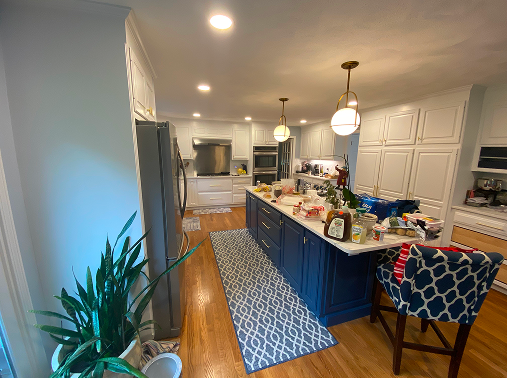
For example, a living room might combine recessed ceiling fixtures with a floor or table lamp and accent lighting around artwork or shelving. In a kitchen, ceiling fixtures can work alongside under-cabinet lighting and pendant fixtures over an island.
During Interior Lighting Installation, planning these layers can make a room more practical without making the lighting feel excessive.
Kitchen Lighting
Kitchen lighting deserves particular attention because the room combines cooking, food preparation, cleaning, and often dining or social activities. Shadows can become a problem when a ceiling fixture sits behind someone working at a counter.
Under-cabinet lighting can illuminate preparation areas directly, while recessed fixtures or other overhead lighting provide general illumination. Pendant fixtures can add focused light over an island or breakfast bar.
The electrical layout should also account for fixture placement, switches, dimmers, and available circuits. Ryan Cassidy Electrician can evaluate the existing electrical system before adding new interior lighting.
Living Room Lighting
Living rooms usually serve several purposes throughout the day. Family members may watch television, read, entertain guests, or simply relax there. A single bright ceiling fixture may not work equally well for all of these activities.
Layered lighting provides more flexibility. Recessed fixtures can provide general light, while lamps or wall fixtures can provide localized illumination. Dimmers can also allow homeowners to adjust brightness based on the activity and time of day.
Thoughtful Interior Lighting Installation can make a living room easier to use without relying on excessive fixture brightness.
Bedroom Lighting
Bedrooms benefit from lighting that can be adjusted according to different activities. General ceiling lighting may be useful when cleaning or getting ready, while bedside fixtures can provide more focused light for reading.
Switch placement also matters. Controls should be convenient to reach, particularly near entrances and bedside areas. Dimmers can provide additional control when homeowners want lower light levels in the evening.
Planning these details before installation helps create a bedroom lighting system that feels practical rather than complicated.
Bathroom Lighting
Bathroom lighting needs to provide clear visibility while minimizing shadows. This is particularly important around mirrors, where uneven lighting can make grooming tasks more difficult.
A combination of overhead illumination and properly positioned vanity lighting can provide better coverage. Fixture selection should also account for the bathroom environment and applicable electrical safety requirements.
An electrician can determine appropriate fixture placement and electrical connections based on the room’s layout and existing wiring.
Home Office Lighting
Home offices have become common in residential properties, making workspace lighting an important consideration. Computer screens already produce their own light, so poorly positioned fixtures can create glare or reflections.
A good office lighting plan considers desk orientation, windows, overhead fixtures, and task lighting. Adjustable lamps or strategically placed fixtures can provide focused illumination while reducing unnecessary glare.
If a home office is being added during a renovation, Interior Lighting Installation can be planned alongside new outlets and dedicated electrical circuits.
Dimmers Add Flexibility
Dimmers allow homeowners to adjust lighting according to the situation. Bright illumination may be useful while cleaning or preparing food, while a lower setting may be more comfortable when watching television or relaxing.
Not every fixture or bulb is compatible with every dimmer, so compatibility should be checked before installation. Proper wiring and suitable components are also important for reliable operation.
A well-planned lighting system gives homeowners control without requiring different fixtures for every situation.
Interior Lighting Installation Medfield MA
Homeowners researching interior lighting installation Medfield MA may be considering lighting changes as part of a renovation, room refresh, or new construction project. The right approach begins with understanding how each room will be used.
Lighting placement, switch locations, fixture type, wiring, and electrical capacity all affect the final result. Planning these details before installation can reduce unnecessary changes later.
Interior Lighting Installation Newton MA
For homeowners considering interior lighting installation Newton MA, older properties may require additional attention to existing wiring and electrical capacity. New fixtures should work safely with the home’s current electrical system.
An electrical evaluation can identify outdated components or limitations before new lighting is added. This is particularly useful when homeowners are combining lighting work with a larger remodeling project.
Interior Lighting Installation Norfolk MA
When planning interior lighting installation Norfolk MA, homeowners can consider lighting according to individual room functions rather than using the same fixture arrangement throughout the property.
A kitchen, hallway, bedroom, and home office all have different requirements. Separating lighting into useful zones can make everyday control easier and provide better illumination where it is needed.
Interior Lighting Installation Westwood MA
For interior lighting installation Westwood MA, fixture placement should also consider the home’s architecture. Ceiling height, room dimensions, built-in cabinetry, furniture arrangement, and natural light can all influence where fixtures should be positioned.
Planning around these physical characteristics helps avoid situations where furniture blocks useful light or fixtures illuminate areas that receive little activity.
Interior Lighting Installation Douglas MA
Homeowners researching interior lighting installation Douglas MA may also want to consider energy use and long-term maintenance. LED fixtures and compatible LED bulbs can provide long service life and generally consume less electricity than traditional incandescent lighting.
However, energy efficiency should not be the only consideration. Fixture quality, light distribution, color temperature, controls, and placement all contribute to how comfortable the room feels.
Common Lighting Mistakes
One common mistake is installing too many recessed fixtures without considering how much light the room actually needs. More fixtures do not automatically create better illumination.
Another mistake is placing switches in inconvenient locations. A beautiful lighting plan can become frustrating if homeowners cannot easily control the fixtures they use most often.
Ignoring the existing electrical system can also cause problems. Before adding multiple fixtures, an electrician should determine whether the circuits and wiring are suitable for the planned work.
Why Choose Ryan Cassidy Electrician
Interior Lighting Installation involves both design considerations and electrical knowledge. Ryan Cassidy Electrician helps homeowners evaluate existing electrical conditions, determine practical fixture locations, and plan lighting around how the household uses each room.
The process can include reviewing circuits, switches, fixture locations, wiring requirements, and other electrical considerations. This gives homeowners a clearer understanding of what the installation involves before work begins.
Ryan Cassidy Electrician serves residential properties with a focus on safe electrical work and practical lighting solutions.
Plan Your Home Lighting
Good interior lighting should make everyday activities easier without making a room feel overly bright or cluttered. By combining ambient, task, and accent lighting, homeowners can create spaces that work well throughout the day.
From kitchens and living rooms to bedrooms, bathrooms, and home offices, Interior Lighting Installation can be planned around the actual needs of each room.
If you’re considering new interior lighting for your home, contact us today to discuss your lighting plans and schedule an electrical evaluation.
Frequently Asked Questions:
What does Interior Lighting Installation include?
Interior Lighting Installation can include installing or replacing ceiling fixtures, recessed lights, pendant lights, wall fixtures, under-cabinet lighting, switches, dimmers, and related wiring. The exact work depends on the home’s layout and electrical system.
How do I choose lighting for different rooms?
Start by considering how each room is used. Kitchens often need strong task lighting, bedrooms benefit from adjustable and softer illumination, while offices may require focused lighting that limits glare.
Can I add dimmer switches to existing lights?
In many cases, yes, but the fixture, bulb, dimmer, and wiring must be compatible. An electrician can check the existing setup and determine whether a dimmer can be installed safely.
Is LED lighting suitable for interior rooms?
Yes. LED lighting is widely used indoors because it generally consumes less electricity and can provide a long service life. The appropriate color temperature and fixture design should still be selected according to the room’s purpose.
Do I need an electrician for Interior Lighting Installation?
Electrical installation should be handled by a qualified electrician when it involves new wiring, circuit changes, fixture connections, switches, or other electrical work. Proper installation helps ensure the lighting system operates safely and reliably.