

2026 Update: New Electrical Codes Impacting Knob and Tube Homes in Cambridge
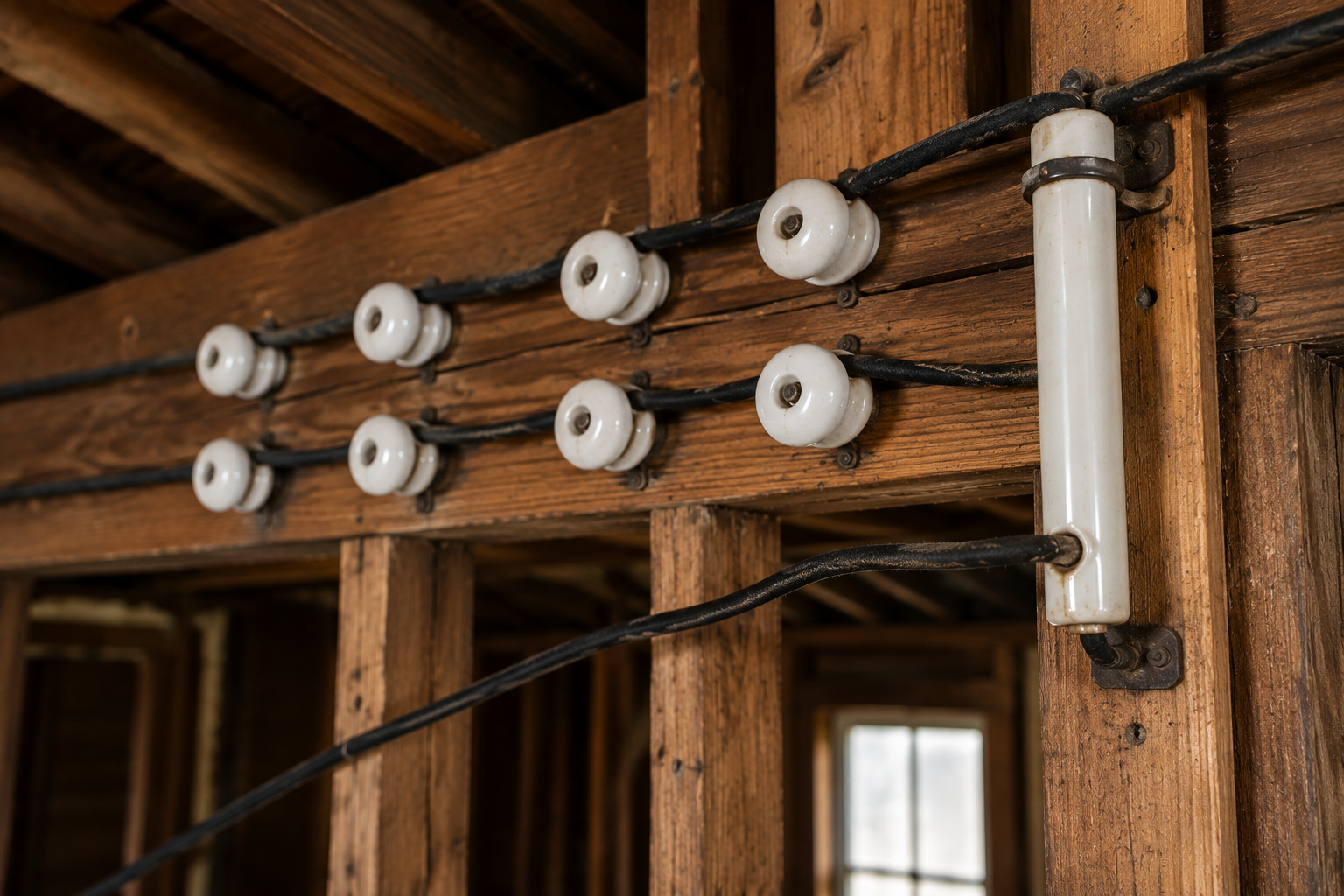
Homes with knob and tube wiring are not automatically required to be completely rewired simply because they contain older electrical systems. However, 2026 electrical code requirements, renovations, safety inspections, and increased electrical demands may require updates or replacement in certain situations. For homeowners considering Knob and Tube Remediation Cambridge, understanding when upgrades are necessary can help avoid delays, improve safety, and prepare older homes for modern electrical use.
Knob and tube wiring was commonly installed in homes built between the late 1800s and the 1940s. While it was considered reliable for its time, it was never designed to support today’s electrical loads. Ryan Cassidy Electrician helps homeowners evaluate older electrical systems and recommend practical remediation solutions that comply with current electrical standards.
What Is Knob and Tube Wiring?
Knob and tube wiring is an early electrical wiring method that uses ceramic knobs to support wires and ceramic tubes to protect them as they pass through framing members.
Unlike modern wiring, knob and tube systems:
-
- Do not include a grounding conductor.
-
- Were designed for lower electrical demand.
-
- Often have limited circuit capacity.
-
- May have been modified over many decades.
-
- Can become difficult to maintain as components age.
While existing knob and tube wiring is not automatically prohibited, modifications and additions must comply with current electrical codes.
How Do 2026 Electrical Code Updates Affect Older Homes?
The National Electrical Code (NEC) is updated every three years, but local enforcement depends on state and municipal adoption. Massachusetts follows its own adoption schedule, so homeowners should verify which code edition is currently enforced before starting electrical work.
For homeowners planning Knob and Tube Remediation Cambridge, recent code updates generally emphasize:
-
- Improved electrical safety
-
- Proper grounding requirements
-
- AFCI (Arc Fault Circuit Interrupter) protection where required
-
- GFCI (Ground Fault Circuit Interrupter) protection in applicable locations
-
- Dedicated circuits for many modern appliances
-
- Proper electrical load calculations
These requirements often come into play during remodeling projects or when adding new electrical equipment.
When Is Knob and Tube Remediation Recommended?
Not every home with knob and tube wiring requires immediate replacement. However, remediation is often recommended when the existing system no longer safely supports the home’s electrical needs.
Common reasons include:
-
- Frequent breaker trips
-
- Home renovations
-
- Adding new circuits
-
- Installing HVAC equipment
-
- EV charger installation
-
- Electrical panel replacement
-
- Damaged or deteriorated wiring
-
- Insurance company requirements
An electrical inspection can determine whether partial remediation or complete replacement is the most appropriate solution.
What Does Knob and Tube Remediation Involve?
Knob and Tube Remediation Cambridge typically begins with a thorough inspection of the home’s electrical system.
The process often includes:
-
- Inspecting existing wiring.
-
- Identifying active knob and tube circuits.
-
- Evaluating electrical panel capacity.
-
- Performing electrical load calculations.
-
- Replacing outdated wiring where necessary.
-
- Installing grounded modern wiring.
-
- Testing the completed electrical system.
The exact scope depends on the home’s age, condition, and renovation plans.
Can You Keep Knob and Tube Wiring During a Renovation?
Sometimes—but it depends on the project.
Minor repairs may not require complete replacement. However, significant remodeling often exposes existing wiring and requires new work to meet current electrical codes.
For example, kitchen remodels, bathroom renovations, basement finishing, and room additions frequently require:
-
- New grounded wiring
-
- Additional circuits
-
- AFCI protection
-
- GFCI protection
-
- Updated electrical panels
An experienced electrician can determine which portions of the existing system can remain and which require replacement.
What Are the Benefits of Knob and Tube Remediation?
Replacing outdated wiring provides several long-term advantages.
Benefits include:
-
- Improved electrical safety
-
- Better support for modern appliances
-
- Increased electrical capacity
-
- Proper grounding
-
- Easier future renovations
-
- Better compatibility with newer electrical equipment
Many homeowners also find that remediation simplifies future electrical projects because modern wiring is easier to expand and maintain.
Why Choose Ryan Cassidy Electrician?
Older homes require careful planning because every electrical system is different. Ryan Cassidy Electrician evaluates each home’s existing wiring before recommending remediation options. Rather than replacing wiring unnecessarily, recommendations are based on the condition of the system, planned renovations, and current electrical requirements.
This practical approach helps homeowners make informed decisions while preparing older Cambridge homes for safe, reliable electrical service.
Final Thoughts
Owning an older home doesn’t necessarily mean you need to replace every wire immediately. However, Knob and Tube Remediation Cambridge becomes increasingly important when planning renovations, adding electrical equipment, or addressing aging electrical systems.
Understanding how current electrical codes affect older wiring allows homeowners to plan improvements with confidence while maintaining electrical safety and supporting future upgrades. A professional evaluation can identify the most practical path forward for your home’s electrical system.
Frequently Asked Questions
Does knob and tube wiring have to be replaced in Cambridge?
Not always. Existing knob and tube wiring may remain in service if it is in safe condition and complies with applicable requirements, but renovations or new electrical work often require upgrades to meet current codes.
How much does Knob and Tube Remediation Cambridge cost?
The cost depends on the amount of wiring being replaced, the size of the home, and the accessibility of existing wiring. A detailed electrical inspection is the best way to determine project costs.
How long does knob and tube remediation take?
The timeline varies based on the home’s size and the extent of the electrical work. Partial remediation may take only a few days, while whole-home rewiring generally requires more time.
Is it better to repair knob and tube wiring or replace it?
Replacement is often the better long-term solution when wiring is deteriorated, overloaded, or being modified during renovations. A licensed electrician can determine whether repair or replacement is the most practical option.
Can I buy or sell a home with knob and tube wiring in Cambridge?
Yes, homes with knob and tube wiring can often be bought and sold. However, buyers, insurers, or lenders may require an electrical inspection or recommend remediation before closing, depending on the property’s condition and applicable requirements.